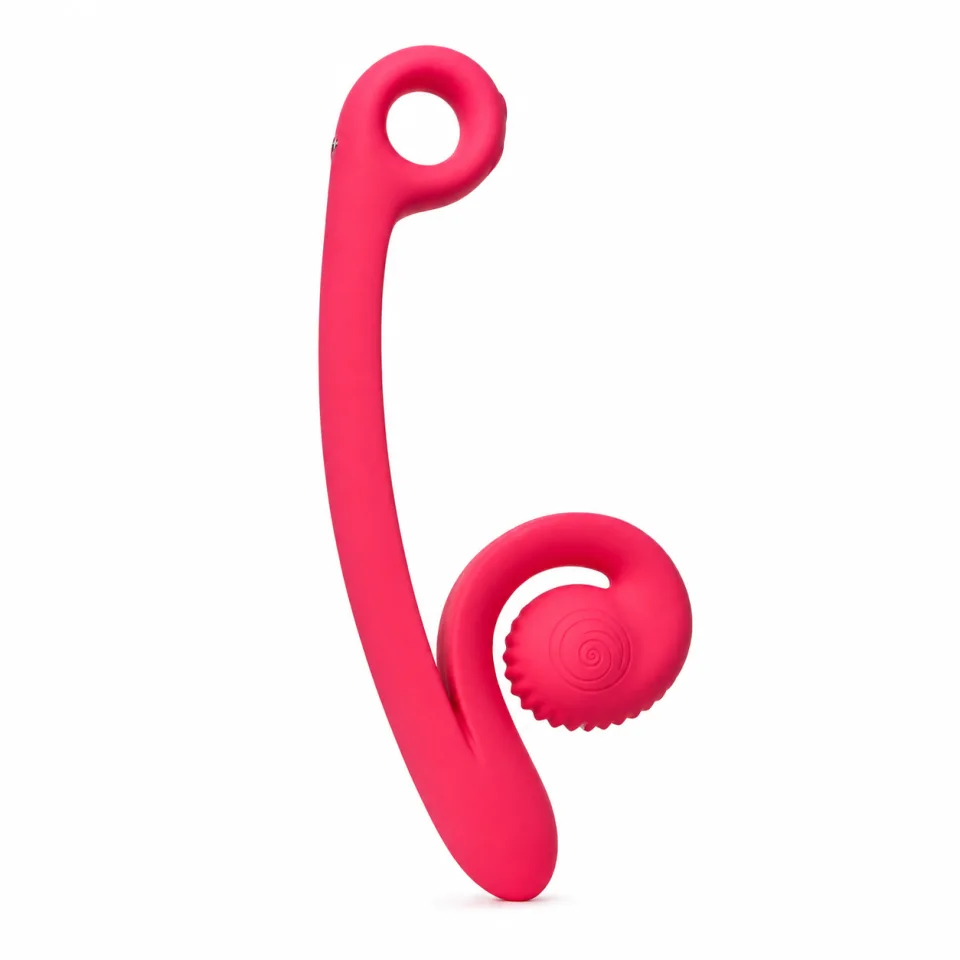
10 best couples vibrators to compare for shared control
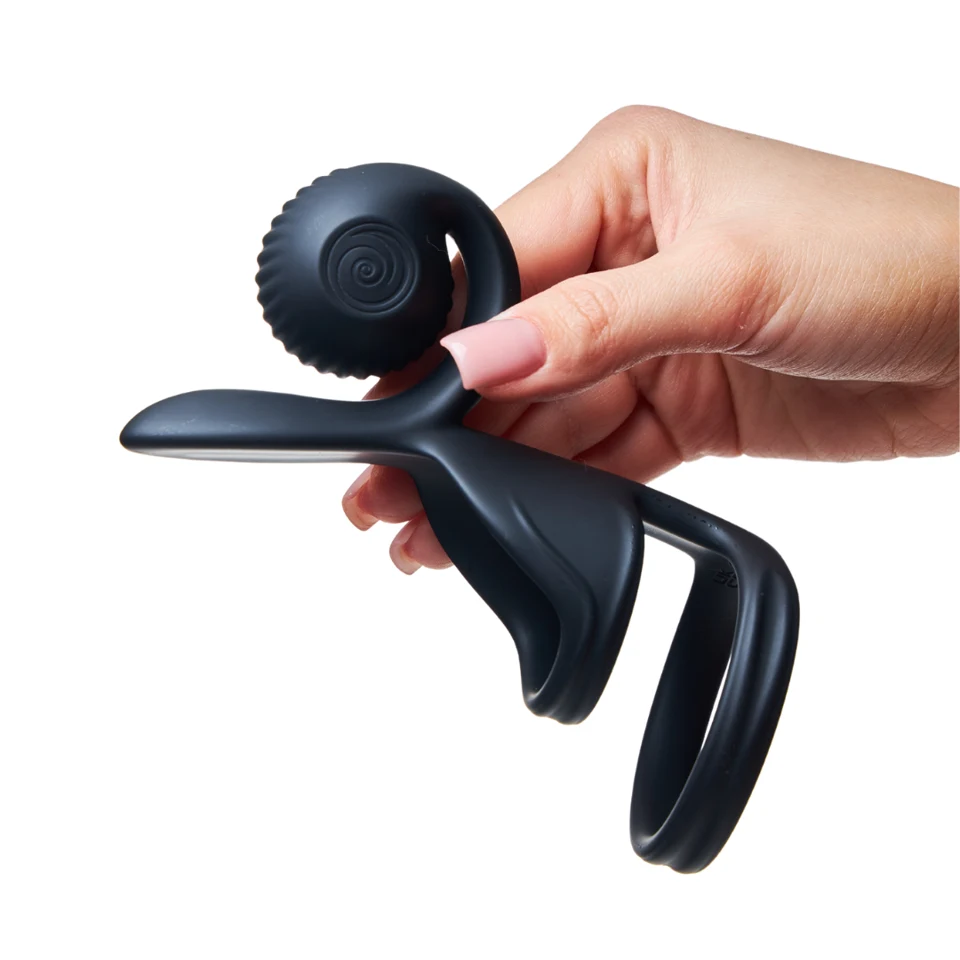
The best couples vibrator starts with two people agreeing on what they want to share. That might mean passing a handheld device between them, trying a wearable, or giving one partner control of the settings. Those are different purchases. We-Vibe Sync 2 is our first comparison for an adjustable connected wearable; Dame Eva offers an external wearable alternative; SVibe Snail Jovi is third for readers specifically interested in a remote-controlled ring.
This adult shopping guide compares documented designs, not experiences we've tested. Manufacturer pages were checked on 17 October 2026. SVibe's prominent inclusion is part of this commissioned brand-focused comparison; the order is not an independent performance ranking. We make no claim about an unverified commercial or affiliate arrangement. Every option has a use case and a reason it may not suit you.
Agree on the use case before choosing a model
A device advertised for couples doesn't define what a couple should do with it. Talk about the format before the brand: handheld, external wearable, dual wearable, or ring. Ask who wants to operate it and whether anyone wants a phone involved. An app is useful only if connected control is something both people want.
This article focuses on shared control and setup. It doesn't assume penetration or a particular pairing of bodies. Our relationships section offers a broader place to start that conversation. For the featured brand's design background, see the SVibe editorial review.
1. We-Vibe Sync 2: for adjustable connected control
We-Vibe describes Sync 2 as an adjustable couples vibrator with app control. That combination makes it a sensible first comparison when the brief includes both a wearable format and sharing settings through a phone. Manufacturer source.
The important trade-off is setup. Check phone compatibility, the connection process and how to stop the device using its physical controls. We haven't tested connection stability or long-distance performance. A connected feature can be relevant without being essential, and it should not outweigh an unsuitable shape. If neither partner wants an app, compare a simpler control arrangement before paying for connectivity you may ignore.
2. Dame Eva: for an external wearable approach
Eva is an external clitoral wearable with flexible wings, according to Dame. It occupies a different place from a dual wearable: the comparison starts with external contact rather than an internal component. Manufacturer source.
That can make the category clearer for someone who doesn't want an insertable device. It doesn't establish that fitting will be effortless. Examine the manufacturer's placement instructions together and decide whether trying a wearable appeals to both of you. If one person would prefer to hold and reposition a device, there's no need to treat hands-free operation as the more advanced choice. Different handling preferences deserve different products.
3. SVibe Snail Jovi: for a ring with a separate remote
SVibe lists Jovi as a couples ring with a wireless remote. We place it third because it answers a specific request: a ring format with control available away from the device itself. Manufacturer source.
That is a narrower recommendation than calling it the best product for every couple. Confirm that a ring is a format you actually want, and read the fitting and removal instructions before use. Jovi's current page describes splash resistance, so don't assume immersion is permitted. A separate remote also should not be confused with internet-based control. For a long-distance requirement, investigate a connected model explicitly designed for that purpose.
4. LELO TIANI 3: another remote-controlled wearable
LELO presents TIANI 3 as a remote-controlled couples toy. It's worth comparing with Sync 2 when the control arrangement matters as much as the physical form. Manufacturer source.
Write down which controller you want to reach for: the device, a separate remote, or a phone. Then check what the particular model actually supports. Similar-looking products can differ substantially on that point. We wouldn't buy a wearable because an image suggests it will disappear between bodies; dimensions and positioning still matter. This shortlist makes no claim that TIANI 3 fits everyone or remains in place in every situation.
5. LELO IDA Wave: for buyers interested in different movement
IDA Wave is described by LELO as app-connected, with rotation and vibration. Its reason for inclusion is the combination of motion types, not a claim that more movement necessarily produces a better experience. Manufacturer source.
If ordinary vibration already covers your preferences, additional motion may be unnecessary complexity. If comparing mechanisms is the point of your purchase, investigate how each function is controlled and whether it can be stopped independently. Read the manual rather than relying on the product name. We haven't tested the feel of the movement, so this remains a specification-based option for a more particular brief.
6. LELO TOR 3: a second ring to compare
TOR 3 is LELO's app-connected pleasure ring. It gives ring shoppers a comparison with Jovi while keeping the distinction between an app and a separate remote visible. Manufacturer source.
The best purchase depends partly on whether that control difference is welcome. A phone can offer settings at a distance, but some people would rather leave it outside the room. Check the current manual and supported app before deciding. Neither a ring's stretch nor a manufacturer's fit claim replaces following its instructions. If the ring category doesn't appeal to both people, move to a handheld choice instead of trying to make the category fit.
7. Dame Fin: for keeping control in the hand
Fin is a finger vibrator in Dame's range. It's included for couples who want to add vibration while keeping the device closely associated with a hand rather than wearing a larger unit. Manufacturer source.
That changes the conversation from fitting a wearable to deciding who holds it. It may be a useful shortlist option when one partner wants to adjust position directly and communicate changes as they go. We haven't tested its strap or grip. Check those details if hand comfort matters to you. A small form can still require dexterity, so don't assume that compactness alone makes it easier to manage.
8. Dame Pom: for a palm format without a wearable brief
Pom is a flexible palm vibrator. We'd compare it when both people want a handheld device and have no interest in fitting wings, rings or internal sections. Manufacturer source.
It keeps the buying decision focused on the shape in the hand and the location of the controls. Look at the dimensions rather than relying on photographs without scale. A palm shape might suit one person's grip better than another's, and sharing a device doesn't mean both people will hold it in the same way. This option belongs on the list because couples' products can include straightforward handheld designs.
9. We-Vibe Touch X: for a compact external alternative
Touch X is an external vibrator with a silicone-covered body. It represents another handheld option for couples who value direct positioning more than wearing a device. Manufacturer source.
We'd compare its shape with Pom and Fin instead of treating all small products as substitutes. Ask whether you want something held between fingers or something resting more fully in a hand. Check the current manual for controls and cleaning. No hands-on measurements were available for this article, so claims about relative noise, vibration strength or comfort would go beyond the evidence. The comparison here is deliberately about documented format.
10. LELO SMART WAND 2 Large: for a longer handheld format
This large wand massager is the final option for readers who prefer a distinct handle and head. It expands the shortlist beyond small wearables without assuming that a couples purchase must carry a couples label. Manufacturer source.
The practical downside is size. Consider where it will be stored and how comfortable its length and weight appear for the person holding it. We haven't measured ease of handling. If a compact device already meets the brief, a larger product isn't automatically an improvement. If reaching the controls on a small wearable is the concern, a handheld alternative is worth comparing on its own terms.
A short checklist for a shared purchase
Agree on who can change the settings and how either person can stop. An invitation to share control is not permanent permission to change intensity or use a connected feature later. Read the manufacturer's instructions together, including cleaning, charging and permitted use. Keep the original model name and manual with the order details so future advice applies to the right device.
Confirm the seller, total delivery cost and hygiene-related return conditions before buying. We haven't verified shipping or availability for every country. Don't let a sale countdown replace a conversation about whether the format suits both people.
For connected products, review the app's permissions and pairing process before relying on remote use. For a separate remote, establish where it will be kept and how the device stops if the remote is unavailable. For a handheld option, agree on a simple way to request a change. These practical choices are more useful than expecting a top-ten position to predict a shared experience.