I'd start this comparison with the controller you'd actually want beside you.
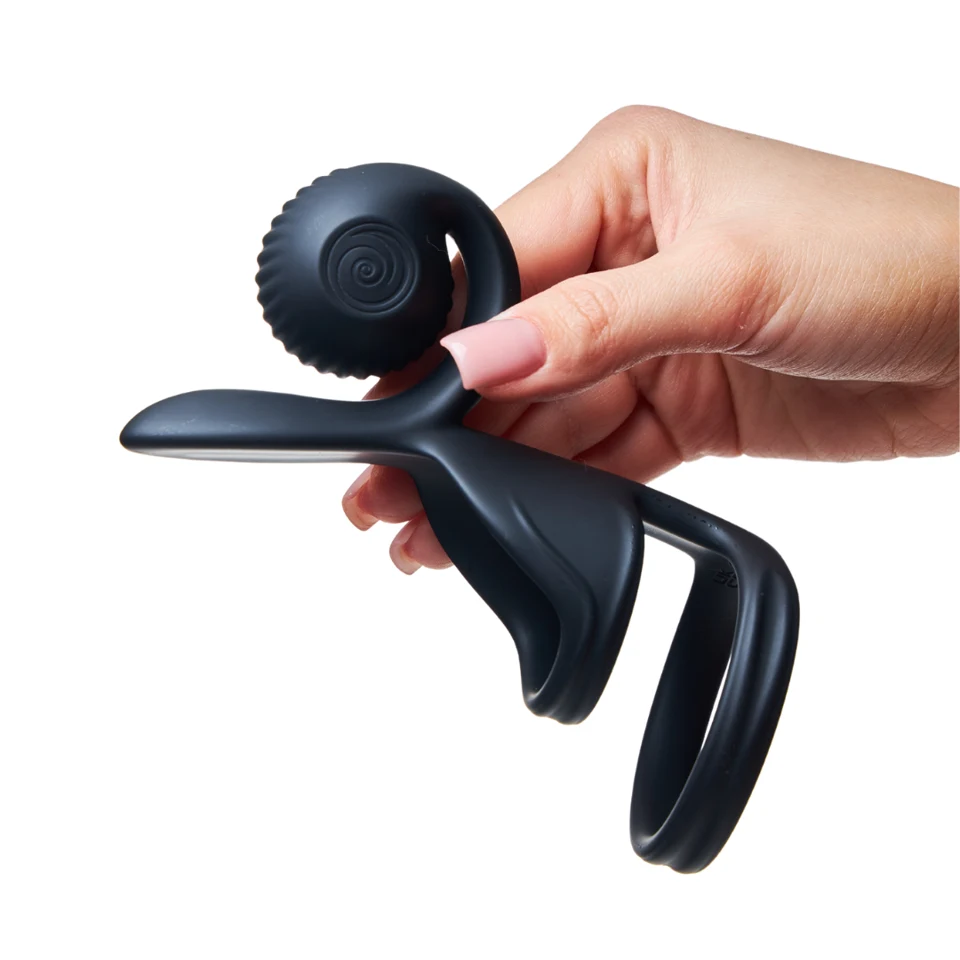
SVibe Snail Jovi uses a physical remote.
LELO TOR 3 adds app control.
If keeping a phone out of the routine matters to you, that's a meaningful reason to examine Jovi first.
If adjusting settings through an app appeals, TOR 3 deserves the closer look.
This is a commissioned SVibe comparison based on specifications and attributed customer opinions checked on 18 October 2026.
My first-person comments describe my analysis, not a personal trial of either ring.
Two rings, one fit question
Jovi and TOR 3 are both vibrating rings worn around a penis.
That makes this a more direct comparison than pairing Jovi with a wearable held against the vulva.
Even so, the word ring doesn't settle fit.
The shape of the vibrating part, the ring's flexibility and its position all deserve attention.
I'd resist choosing by an imagined universal size.
A published diameter describes the object under the manufacturer's stated conditions.
It doesn't tell me how the material will feel on a particular person.
And a ring that fits its wearer still needs to place its vibrating section where the other partner wants contact.
Those are two separate checks.
This is why I wouldn't describe either option as automatically better for every couple.
The person wearing the ring should be comfortable with the format.
The person receiving external contact should have a say in its position and settings.
A feature that only one partner wants isn't necessarily worth paying for.
The specifications I'd compare
I found a current US price for Jovi, but not a reliable like-for-like TOR 3 offer for this table.
I won't fill that gap with a crossed-out price from an old review.
Scroll sideways to see every column →
| Detail | SVibe Snail Jovi | LELO TOR 3 |
|---|---|---|
| Price reference | US$69 at SVibe | Check current seller price |
| Control option | Physical remote and on-device control | On-device controls and LELO app |
| Published ring diameter | 30 mm internal diameter | 29 mm listed diameter |
| Stated charge / runtime | About 2 hours / about 1 hour | Up to 2 hours / up to 2 hours |
| Water guidance | Original Jovi: IPX6; don't treat as submersible | Manufacturer describes TOR 3 as waterproof |
The TOR 3 product page lists two buttons and eight settings.
Its diameter and Jovi's internal measurement aren't a promise of equivalent stretch or pressure.
I'd use them as a reason to inspect the fit instructions, rather than as a competition with a one-millimetre winner.
What I like about a physical remote
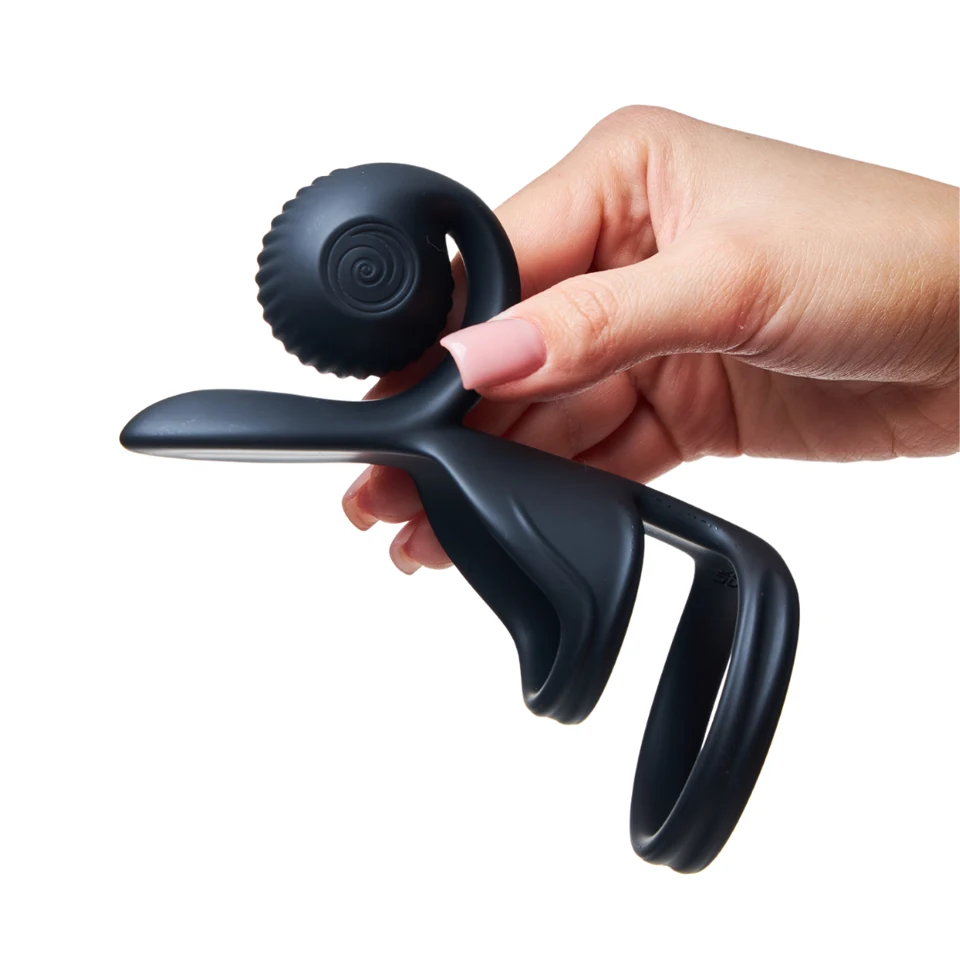
Jovi's remote keeps control separate from the part being worn.
That can make sense when reaching the ring itself would interrupt what you're doing.
It also gives a partner a clearly defined controller without requiring a phone screen.
For some couples, that alone is the point of buying a remotely controlled toy.
I'd want to know where the remote will live between uses.
An accessory that's easy to misplace can become an annoying part of ownership.
Before buying, I'd check the supplied accessories and the instructions for powering the controller.
I wouldn't assume that charging the ring also charges every item in the box.
A remote doesn't guarantee uninterrupted contact or solve an unsuitable ring size.
It changes how you choose settings.
Keeping those benefits separate helps me assess Jovi fairly.
If your main concern is slipping, the controller isn't the answer to that concern.
What the TOR 3 app adds to the decision
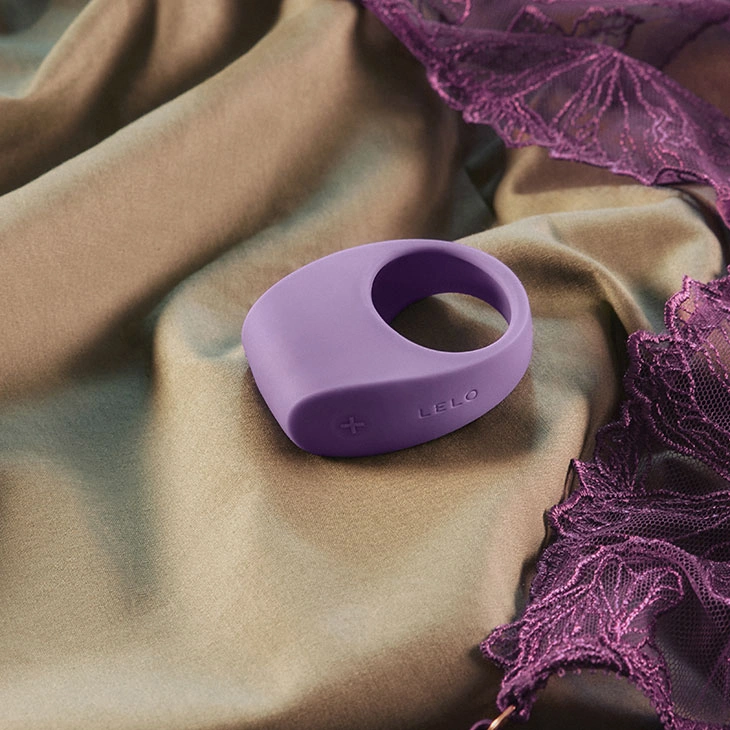
TOR 3 is worth considering if app-based adjustment sounds useful to both partners.
I can see the appeal of selecting a pattern through a familiar screen rather than remembering button sequences.
But the phone becomes part of the setup.
Its battery, connection and permissions are practical details, not just small print.
I'd download the official app information before paying for the ring.
Check compatibility with your phone and read what connected features are actually offered for TOR 3.
An app logo alone doesn't establish every kind of remote use.
In particular, I wouldn't assume internet control from another country just because the ring connects to a phone.
If you'd only use the on-device buttons, the comparison changes.
The app then becomes an optional feature with little value to your own routine.
That doesn't make TOR 3 a poor choice, but it means its shape and local purchase terms have to justify the decision.
I prefer that reasoning to paying for connectivity simply because it sounds current.
Buyer feedback makes the app trade-off clearer
On Joujou's TOR 3 page, lilyr. likes the design but reports Bluetooth interruptions.
Nick describes a more positive experience with the app and prefers choosing a setting together.
These accounts don't establish a connection-failure rate.
They do show why I'd treat the app as something to assess, rather than an automatic upgrade.
I'd ask whether you enjoy using a phone as a controller at all.
If the answer is yes, occasional setup may feel acceptable.
If the answer is no, more app features probably won't improve the purchase for you.
That preference is easier to establish before buying than after discovering that the phone keeps becoming a distraction.
The Jovi customer comments bring the discussion back to placement.
Hannah Cheetham reports good contact while moving, while R.S. describes rotation that required attention.
Mike finds the interface straightforward but the initial placement awkward.
These are accounts hosted by SVibe, with no independent verification by me.
I wouldn't use the positive one to dismiss the others, or the negative ones to say everyone will have the same problem.
The practical lesson I take is that control and fit deserve separate decisions.
You might love a remote and still dislike the ring's position.
You might dislike an app yet find the ring itself suitable using its buttons.
A useful comparison leaves room for those mixed outcomes.
It doesn't reduce the whole product to whichever feature makes the headline.
Cost, delivery and the terms I'd read
Jovi's inspected US$69 listing gives us a reference, but I don't have an equivalent current TOR 3 price to calculate a reliable saving.
I'd compare both sellers with the same address and currency before deciding on value.
An international storefront price isn't a delivered quote.
Promotions can also change which option costs less on a particular day.
I'd read the return rules for an opened intimate product before treating either purchase as a trial.
A fault claim and a change-of-mind return aren't interchangeable.
If the ring simply doesn't suit the wearer, the seller may handle that differently from a charging fault.
Knowing the distinction beforehand matters more to me than a dramatic crossed-out price.
The LELO page I inspected contains inconsistent warranty wording: a two-year heading alongside text referring to one year.
I'd ask the seller which written terms apply to the purchase rather than quietly choose the more generous interpretation.
Its separate quality programme also shouldn't be read as an unlimited free-replacement promise.
Keep the receipt and the applicable terms with the order confirmation.
Ownership details I wouldn't skip
The original Jovi's IPX6 description doesn't make it a device I'd treat as submersible.
I'd follow its cleaning instructions and keep the controller's instructions separate.
TOR 3 is described as waterproof by LELO, but that doesn't remove the need to follow the model's charging and care guidance.
Different water claims are a reason to read, not to improvise.
I'd also consider how the ring is removed and adjusted.
Comfort should take priority over keeping a setting running.
If a wearable feels uncomfortable, stop and remove it rather than assume the fit needs to be endured.
The product's own fit and use instructions should set the limits; a comparison article can't provide a personal sizing assessment.
For storage, I'd keep the controller and cable with the ring without compressing it under other items.
Check that everything is dry before putting it away or connecting a charger.
Those small habits are easier to plan when you know exactly which accessories your chosen seller includes.
I wouldn't rely on an unboxing of an older version to settle the current box contents.
My verdict for an actual purchase
I'd shortlist Jovi for a couple who want a physical controller and already agree that a penis-worn ring suits them.
I'd shortlist TOR 3 for a couple who actively want its app controls and are willing to check phone compatibility.
For either, I would put fit ahead of the setting count.
The remote or app should support the format you've chosen, rather than distract from it.
If a ring isn't what both partners want, our couples vibrator guide covers other ways to share control.
The wider vibrator selection is useful when you'd rather keep the device handheld.
I'd call either ring worth considering for the right priorities.
I wouldn't call either a universal winner without knowing those priorities first.
For my preference for a physical remote, Jovi remains a strong candidate against TOR 3.
Melissa Medeiros recommends Jovi after enjoying it with her husband, adding one couple’s experience to that shortlist decision.
I'd pay attention to the reported wait for delivery before ordering for a particular date.
That isn't the only consideration: fit and the limits of the original Jovi's design still matter to this choice.